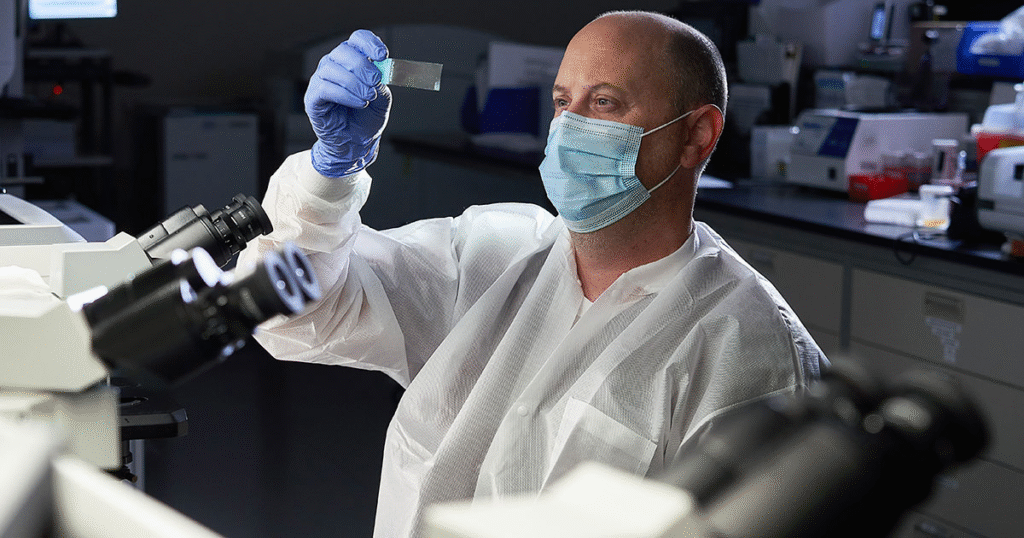

Cancer remains one of the most challenging diseases to treat, but recent scientific advances are bringing new hope. Researchers around the world are working tirelessly to find better ways to detect, treat, and even prevent cancer. Thanks to modern technology and a deeper understanding of how cancer works, we are seeing exciting breakthroughs that could change the future of cancer care. In this article, we will explore some of the latest developments in cancer research as of 2025.
Personalized and Off-the-Shelf Cancer Vaccines
One of the most promising areas in cancer treatment is the development of cancer vaccines. Unlike vaccines that prevent infections, cancer vaccines help the immune system recognize and attack cancer cells. Personalized cancer vaccines are made specifically for each patient, but they can be expensive and take time to prepare.
Recently, researchers developed an innovative vaccine called ELI-002 2P. This vaccine targets specific mutations in a gene called KRAS, which is often found in cancers like pancreatic and colorectal cancer. In a small clinical trial with 25 patients, the vaccine caused the immune system to produce specialized cells called T cells that specifically attack cancer cells with KRAS mutations. Around 84% of patients developed these KRAS-specific T cells, and nearly 25% of patients experienced complete tumor clearance. Even more impressively, most patients with a strong immune response remained cancer-free for almost 20 months, which is much longer than expected.
What makes ELI-002 2P exciting is that it does not require customization for each person, unlike personalized vaccines. It uses a targeted delivery system that directs the vaccine to lymph nodes, where many immune cells live. This design makes it more accessible and potentially more affordable, helping prevent cancer from coming back after initial treatment.
AI-Driven Precision Oncology
Artificial intelligence (AI) is transforming many fields, and cancer research is no exception. AI can analyze vast amounts of data quickly, helping doctors make better decisions about treatment.
In cancer treatment, AI systems analyze information from a patient’s genetics, proteins, and other biological data—called multi-omics data—to find the best treatment options. One new AI tool uses machine learning to suggest alternative treatments tailored to a patient’s unique cancer profile. This approach, called counterfactual treatment suggestion, helps doctors understand what treatments might work better and avoid those that might fail.
By using AI, oncologists can offer more personalized and effective treatment plans, improving patients’ chances of recovery and reducing side effects.
Targeted Therapies and Antibody-Drug Conjugates
Traditional cancer treatments like chemotherapy affect both cancer cells and healthy cells, leading to side effects. Targeted therapies are designed to attack cancer cells specifically, reducing harm to normal cells.
A new drug called Ifinatamab deruxtecan (I-DXd) is an example of a targeted therapy known as an antibody-drug conjugate. This drug combines an antibody that recognizes cancer cells with a powerful drug that kills them. In recent clinical trials, I-DXd showed excellent results for treating extensive-stage small cell lung carcinoma (EC-SCLC), a very aggressive form of lung cancer. More than 65% of patients responded well to the treatment, a high success rate for this type of cancer.
I-DXd is also being tested for metastatic prostate cancer that no longer responds to hormonal therapy. If approved, these treatments could offer new hope to patients who currently have few options.
Advances in Early Detection
Catching cancer early greatly improves the chances of successful treatment. Scientists have been working on new ways to detect cancer at its earliest stages using simple blood tests.
A breakthrough blood test can now detect 18 types of cancer with over 90% accuracy in men and 84% in women. This test looks for specific proteins in the blood that cancer cells release. Early studies show this test might be used for widespread cancer screening, helping doctors find cancers before symptoms appear.
While more research is needed before this test becomes widely available, it represents a major step forward in cancer detection.
AI-Powered Cancer Subtyping
Not all cancers are the same, even if they start in the same organ. For example, liver cancer has many different subtypes, each with its own genetic changes. Knowing the subtype can help doctors choose the best treatment.
Using AI, researchers have identified five distinct subtypes of liver cancer based on their genetic mutations. This knowledge allows doctors to better understand the disease and develop personalized treatments that target each subtype specifically.
This AI-powered cancer subtyping is also being explored in other cancers, making treatments more precise and effective.
What Do These Breakthroughs Mean for Patients?
These advances show how cancer research is moving toward more personalized and less harmful treatments. Instead of one-size-fits-all approaches, future cancer care will be tailored to each patient’s unique biology and cancer type.
- Better vaccines can help the immune system fight cancer more effectively and prevent recurrence.
- AI tools assist doctors in finding the best treatments faster.
- Targeted therapies reduce side effects while improving success rates.
- Early detection tests catch cancer sooner when it is easier to treat.
- Cancer subtyping enables personalized treatment plans that match the exact nature of the disease.
Together, these breakthroughs offer hope for better survival rates and improved quality of life for cancer patients worldwide.
What Challenges Remain?
While these breakthroughs are exciting, challenges remain. Many of these treatments and tests are still in clinical trials and need more research before becoming widely available. The cost and accessibility of new treatments must also be addressed to help all patients benefit.
Moreover, cancer is a complex disease with many types and causes. Continued research is needed to understand it better and develop new strategies to fight it.
How Can You Support Cancer Research?
Supporting cancer research can make a difference. This can include:
- Donating to research organizations
- Participating in clinical trials
- Spreading awareness about cancer prevention and early detection
Every step helps scientists find new ways to beat cancer.
Conclusion
The fight against cancer is making great progress. New vaccines, AI-driven tools, targeted therapies, and early detection tests are transforming cancer care. These advances promise more effective and personalized treatments, giving hope to millions of patients and their families.
While challenges remain, continued support for cancer research will help bring these breakthroughs from the lab to the clinic, making cancer less deadly and more manageable in the future.